


Understanding Sodworms (Lawn Armyworms)
Sodworms, commonly known as lawn armyworms or lawn caterpillars, are the larval stage of small grass moths often referred to as “adult lawn moths.” These pests can cause significant damage to lawns throughout tropical and subtropical regions including Darwin, Palmerston, Howard Springs, Virginia, Humpty Doo, Bees Creek, and surrounding rural areas.
The adult moth itself does not damage the lawn directly. The real damage occurs during the caterpillar (larval) stage when sodworms feed aggressively on turf grass leaves and stems.
Sodworm Life Cycle and Treatment Plan
Understanding Sodworms (Lawn Armyworms)
Sodworms, commonly referred to as lawn armyworms or lawn caterpillars, are a destructive turf pest commonly found throughout Darwin, Palmerston, Howard Springs, Virginia, Humpty Doo, Bees Creek, and surrounding rural areas.
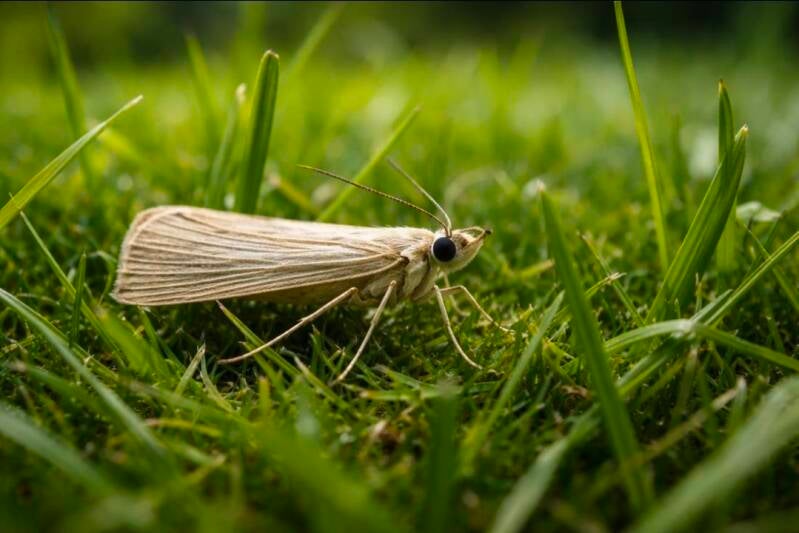
The adult stage of the sodworm is a small brown or grey lawn moth. While the adult moth itself does not damage lawns, it lays eggs that hatch into caterpillars, which are responsible for turf destruction.
Adult lawn moths are commonly seen flying low over grass during dusk and at night, especially around outdoor lights after rain or humid weather.
Sodworm Life Cycle
1. Adult Lawn Moth Stage
Adult lawn moths emerge from pupae hidden within the lawn thatch and soil. These moths mate and lay eggs directly into turf grass, thatch layers, nearby walls, ceilings, and outdoor surfaces near lighting.
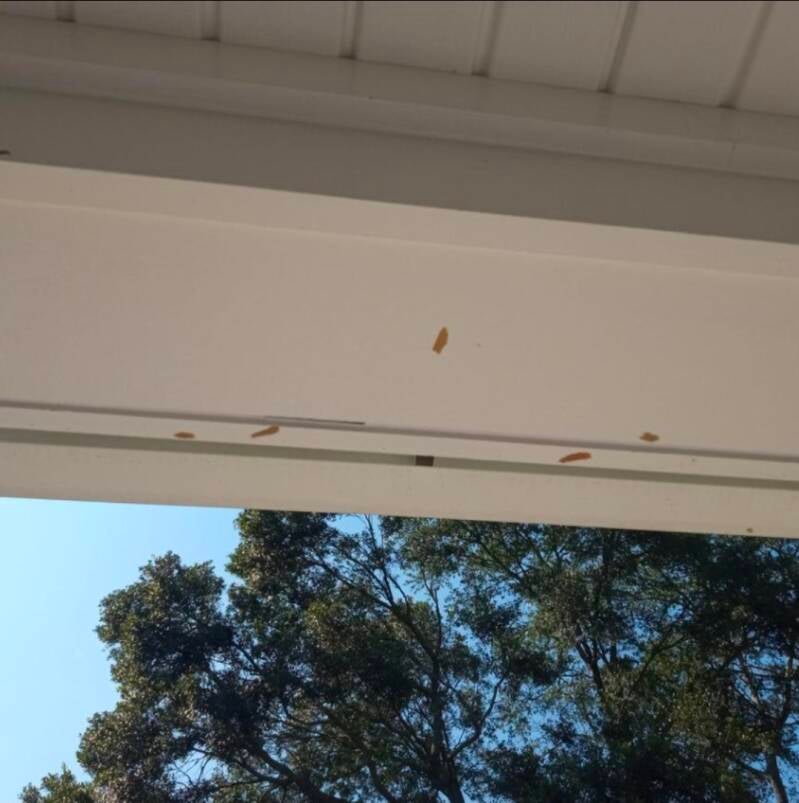
Many homeowners notice small brown furry clusters attached to ceilings, patios, eaves, walls, or outdoor entertaining areas. These brown furry patches are often sodworm/lawn moth egg masses.
Brown Furry Egg Masses on Ceilings
The brown furry material commonly seen attached to ceilings and walls contains moth eggs protected by scales and hairs from the adult moth.
These egg masses are commonly:
Light brown or tan coloured
Fuzzy or furry in appearance
Attached near lights or ceilings
Found around patios, garages, verandahs, and outdoor areas
Once hatched, larvae move toward nearby lawn areas to begin feeding.
2. Egg Stage
Eggs are laid in:
Lawn thatch
Grass blades
Soil surface
Outdoor walls and ceilings
Around lighting sources
Warm temperatures and humidity accelerate egg development. Eggs generally hatch within several days under tropical conditions.
Conditions That Encourage Egg Laying:
Humid weather
Thick lawn thatch
Overwatered lawns
Wet season rainfall
Outdoor lighting attracting moths
3. Larval Stage (Damaging Stage)
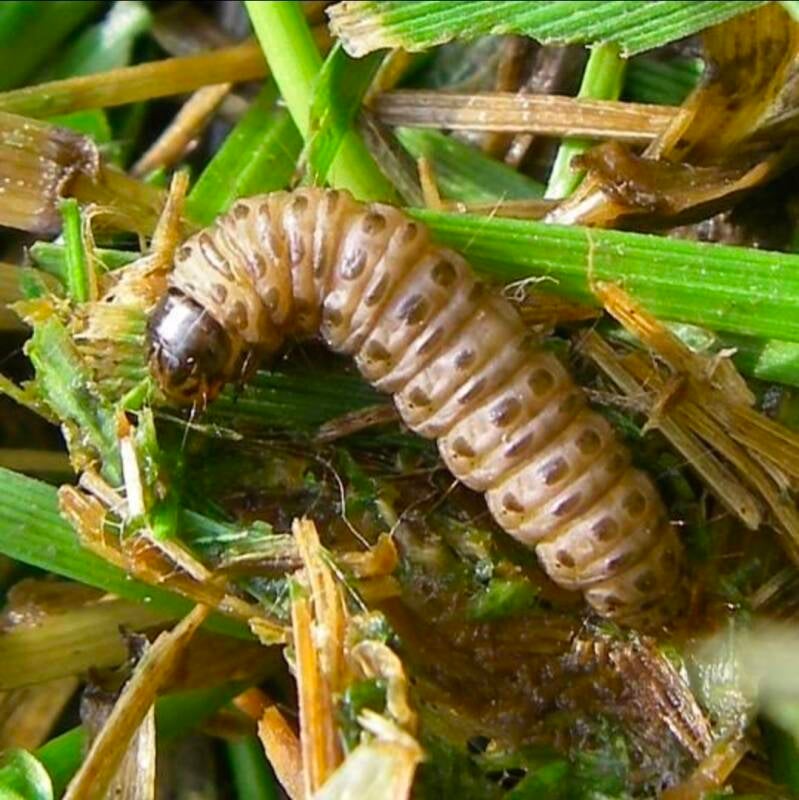
After hatching, larvae (sodworms/caterpillars) move into the lawn and begin feeding on grass blades and turf crowns.
This is the most destructive stage of the lifecycle.
Signs of Sodworm Damage:
Brown dead lawn patches
Rapid turf decline
Chewed grass blades
Scalped-looking lawn
Increased bird activity
Silk webbing within turf
Lawn thinning
Larvae feed mostly at night and hide within the lawn thatch during the day.
4. Pupae Stage
After feeding, larvae pupate within the lawn thatch or soil before emerging as adult lawn moths and restarting the cycle.
In warm climates such as Darwin and Palmerston, the lifecycle can repeat rapidly, causing multiple infestations throughout the year.
Environmental Conditions That Increase Sodworm Activity
Sodworms thrive in lawns with:
Excess moisture
Thick thatch
Poor drainage
Long overgrown grass
High humidity
Organic debris accumulation
Warm wet season conditions
Properties throughout Howard Springs, Virginia, Humpty Doo, Bees Creek, Noonamah, Zuccoli, Bellamack, and Palmerston commonly experience outbreaks during the build-up and wet season.
Sodworm Treatment Plan
1. Professional Lawn Inspection
A detailed inspection identifies:
Active larvae
Lawn moth activity
Egg masses
Moisture problems
Lawn stress
Harbourage areas
A soapy water flush test may also be used to confirm caterpillar activity.
2. Egg Removal and Monitoring
Removing visible egg masses from ceilings and walls helps reduce future infestations.
Recommendations:
Remove egg masses with a cloth or vacuum
Reduce outdoor lighting where possible
Monitor ceilings and outdoor entertaining areas
Clean surfaces regularly during peak moth activity
3. Targeted Lawn Treatment
Professional treatments target the larval stage before severe lawn damage occurs.
Treatment Includes:
Residual insecticide application
Coverage of affected lawn areas
Treatment of surrounding turf
Reduction of active larvae populations
Monitoring for reinfestation
Evening applications are often most effective due to nocturnal feeding behaviour.
Lawn Maintenance Recommendations
Long-term prevention relies heavily on lawn health and environmental management.
Preventative Measures:
Mow regularly
Avoid overwatering
Improve drainage
Reduce lawn thatch
Remove organic debris
Maintain healthy turf growth
Monitor lawn during wet season
Arrange regular pest inspections
Healthy lawns are far more resistant to sodworm infestations and recover faster after treatment.
Importance of Early Treatment
Sodworms can destroy sections of lawn very quickly during warm humid conditions. Early identification of lawn moths, egg masses, or unexplained brown lawn patches allows treatment before major turf damage occurs.
Regular inspections throughout Darwin, Palmerston, and rural areas can help minimise costly lawn replacement and ongoing infestations.
Add comment
Comments